











There are many scenarios where “slowing down” is the preferred approach. You definitely want to take your time before making a major life decision, like which home to buy or where to invest your savings. Of course, anytime you get behind the wheel of your car, slow is much better than fast.
The one time you don’t want things to slow down is when you’re waiting for a medical diagnosis. The moment your doctor suggests running tests, you want those results back as quickly as possible.
If you end up at the Queen’s Medical Center with a “mystery pain,” you want your attending physician to figure out the cause of the pain and set up a treatment plan ASAP.
Unfortunately, there are times when a delayed diagnosis can lead to serious health complications. Was it because the doctor missed something? Was it because they were waiting for other test results and didn’t follow up? Whatever the reason, you could be facing a serious health complication as a result of their delayed diagnosis.
That can be the type of negligent act that can be the basis for a medical malpractice claim.
It would also be enough cause to speak with an experienced Hawai’i medical malpractice attorney to discuss whether you have a valid claim. You don’t want to wait to discuss your options.
When Does a Delayed Diagnosis Become Medical Malpractice?
There are certain times when a doctor will take a “wait and see” approach. They might work through a differential diagnosis to determine what might be wrong and prescribe medication to treat the condition. You have to give that medication a chance to work before deciding if it is effective. That is a more cautious approach than a delayed diagnosis.
Doctors are not expected to recognize every medical condition immediately. After all, there are literally thousands of diseases and conditions to consider. Things also get complicated when many illnesses share similar symptoms. For instance, a fever, body aches, fatigue, or headaches could signal the flu, COVID, mononucleosis, or meningitis.
That makes an accurate diagnosis challenging. However, doctors are expected to follow established diagnostic procedures. Examples of negligence that could contribute to a delayed diagnosis include the following:
- Failing to order appropriate diagnostic tests
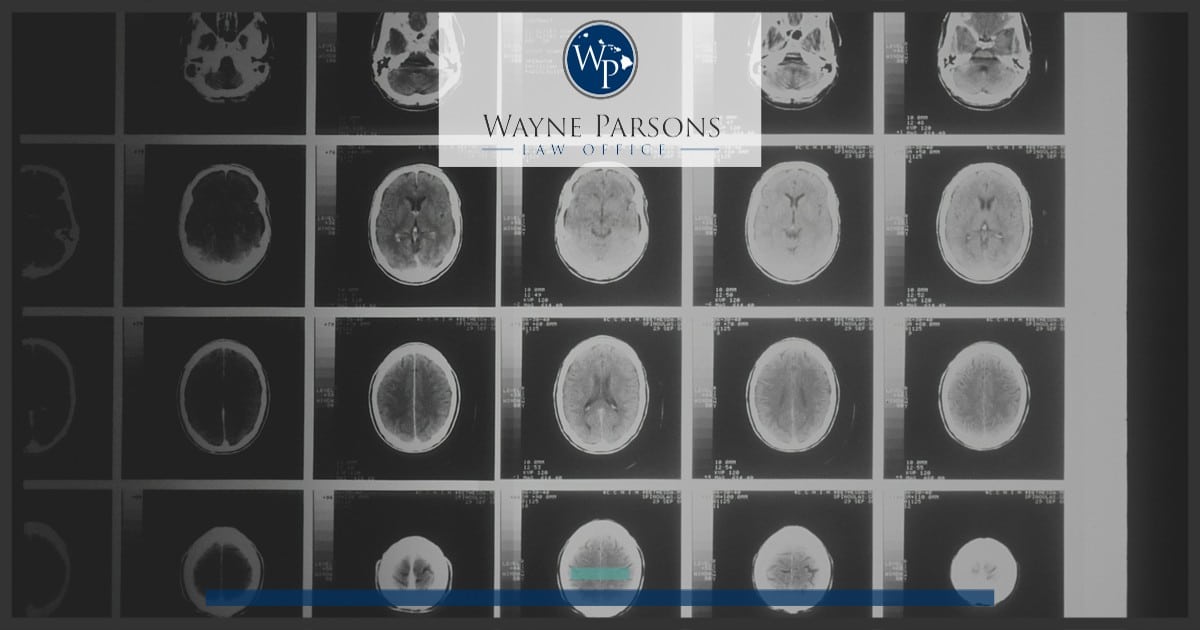
- Misinterpreting laboratory results or diagnostic images
- Dismissing a patient’s worsening symptoms
- Failing to refer a patient to a specialist
- Overlooking significant changes in a patient’s medical history
- Failing to communicate abnormal test results
- Neglecting to schedule necessary follow-up appointments
- Failing to consider alternative diagnoses
You and your attorney will need to identify the exact cause of the delayed diagnosis to advance your medical malpractice claim.
Common Medical Conditions Associated With Delayed Diagnoses
While a delayed diagnosis can occur with virtually any medical condition, certain illnesses and injuries require prompt medical intervention to prevent irreversible damage.
These include:
- Cancer: A diagnostic delay can allow cancer to spread to other organs. If that happens, it can require more aggressive treatments. It can potentially reduce survival rates.
- Heart attacks: If a doctor or ER staff fail to recognize the warning signs of a heart attack, there could be permanent heart muscle damage or cardiac arrest.
- Strokes: Delayed intervention for a stroke can trigger permanent brain damage, paralysis, and cognitive impairment.
- Sepsis: This is a serious infection that can result in organ failure, septic shock, or death if it is not treated as soon as possible.
- Pulmonary embolisms: An embolism is a sudden, potentially life-threatening blockage of an artery in the lung. An undetected blood clot can cause severe respiratory complications or sudden death.
- Appendicitis: A delayed diagnosis of appendicitis can lead to a ruptured appendix and a potentially life-threatening infection.
When you are experiencing a medical emergency, even a delay of a few hours with any of the above ailments can have devastating consequences.
Proving the Standard of Care in Hawai‘i Malpractice Cases
One of the most challenging aspects of a delayed diagnosis claim is distinguishing the effects of the underlying medical condition from the harm caused by a doctor’s negligence. To counter your claim, your doctor might argue that your condition would have progressed regardless of when the diagnosis was made.
In order to prevail with your claim, Hawaii requires that you file a certification of consultation with the Medical Inquiry and Conciliation Panel (MICP).
The certificate will show that you and your attorney consulted with a licensed physician in the same specialty as the defendant who finds that there are reasonable merits to move your claim forward.
Your claim needs to establish the following core elements of negligence:
- Duty of care: Your doctor had an established professional relationship with you.
- Breach of duty: Your doctor failed to follow the accepted medical standard of care.
- Causation: The diagnostic delay directly contributed to your health complications or triggered additional injuries.
- Damages: You suffered measurable physical, emotional, or financial losses.
- Those elements can be proved with all your relevant medical records and testimony.
Meeting the Statute of Limitations for Hawai‘i Medical Claims
Under Hawai’i statutes, you have two years from when you discovered, or reasonably should have discovered, your delayed-diagnosis injury to file a civil complaint. That might seem like a long time, but when you factor in the need for a certificate of merit and the investigation that comes with the claim, those two years can fly by.
That’s why you need to speak with the Wayne Parsons Law Office.
We have helped many Hawai’i residents with their medical malpractice claims, including delayed diagnosis.
We understand what is needed to prove these types of claims. We’ll also be honest with you if we feel your case lacks merit. We only move forward when we’re confident of a positive outcome. The best way to see if you should file is to discuss what happened over a free case evaluation.
Call to schedule your talk today, and let’s find out together what needs to happen next.